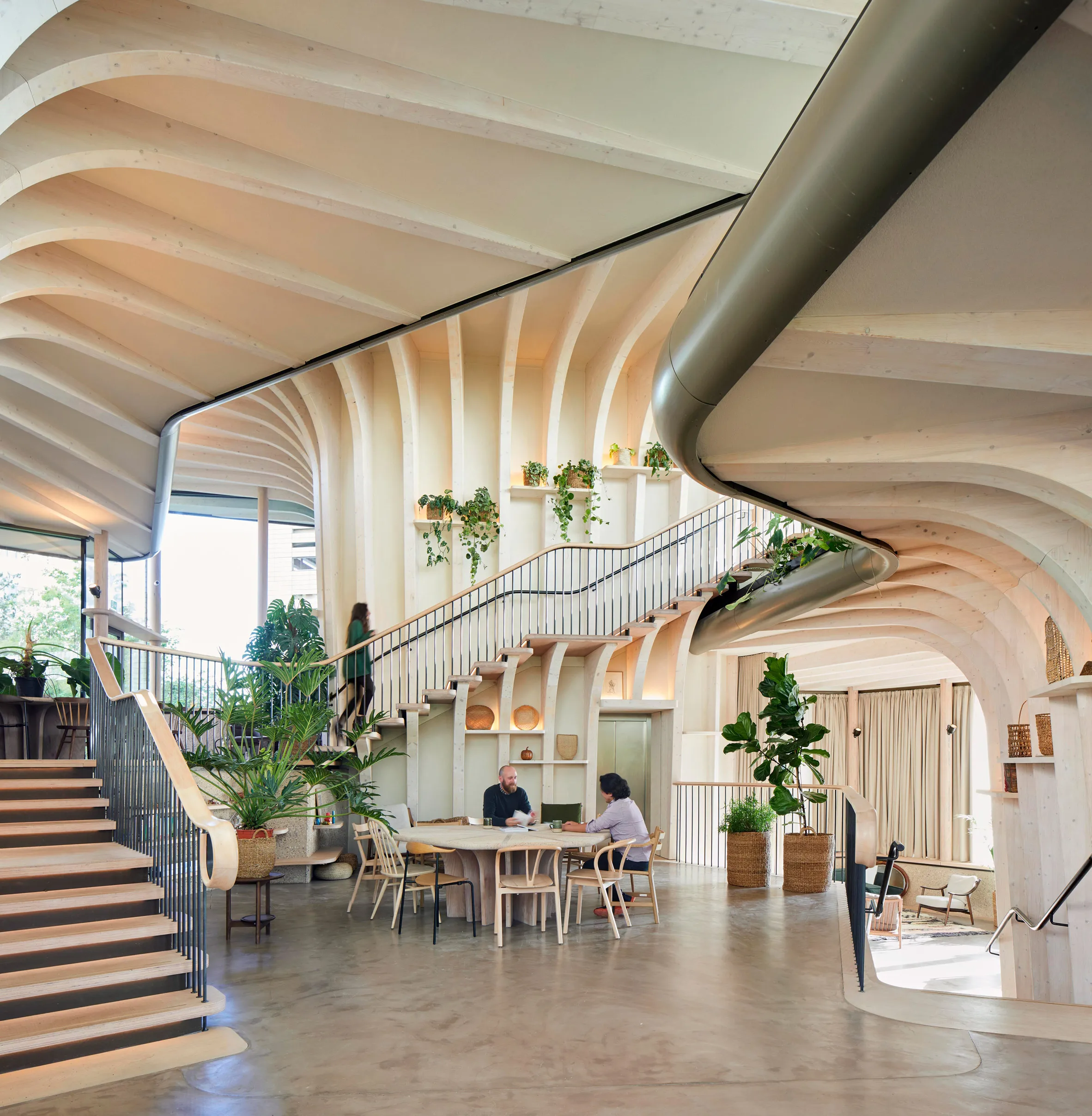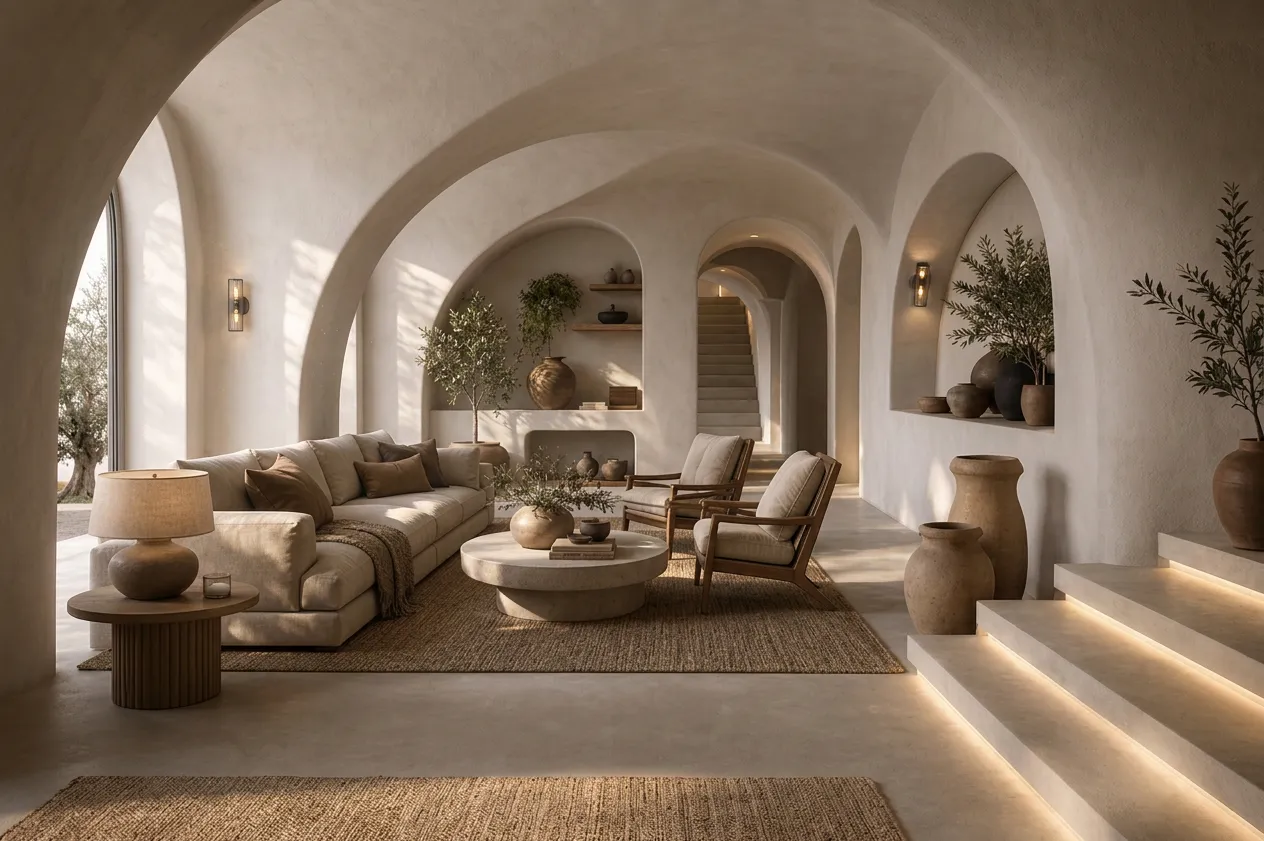
What Makes a Room Feel Calming? The Neuroscience of Cognitive Load in Interior Design

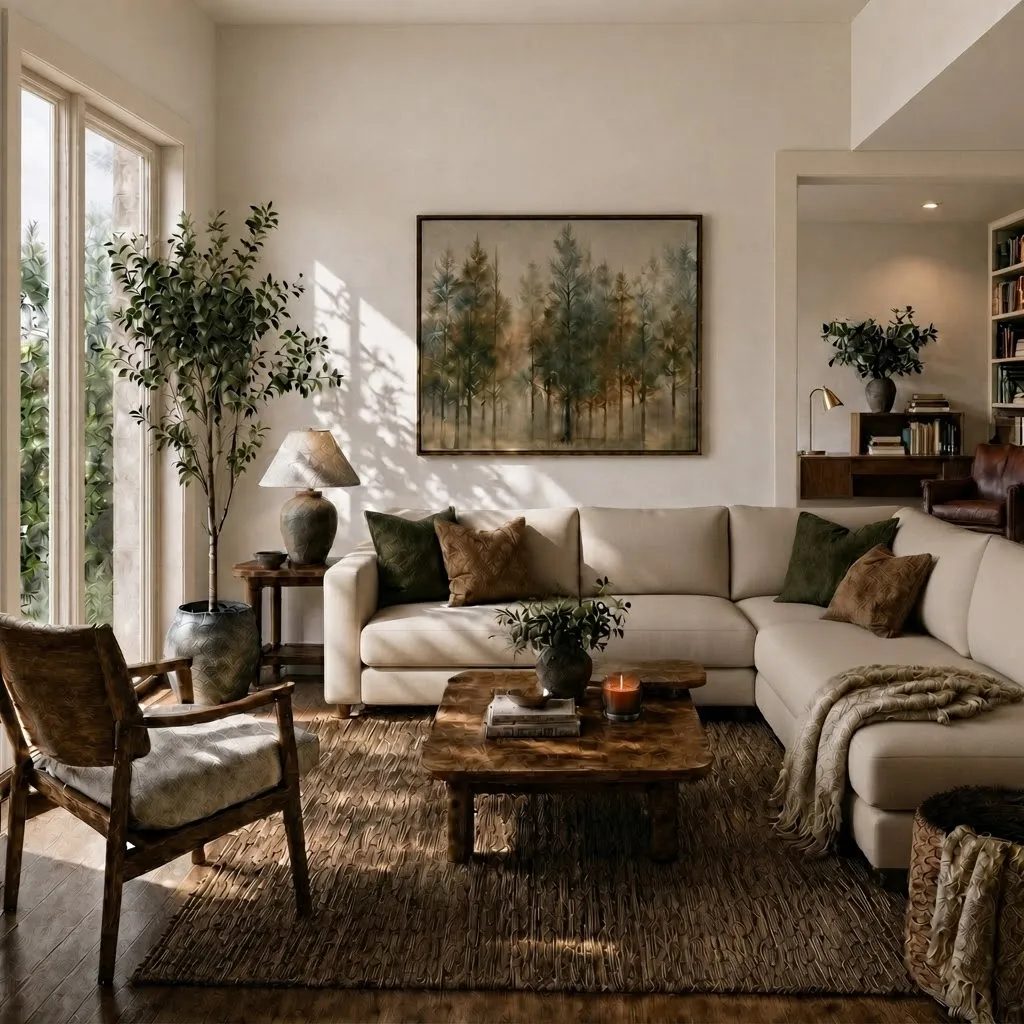
The difference between a room that calms and a room that overwhelms often has less to do with style and more to do with how hard your brain has to work to make sense of what it sees.
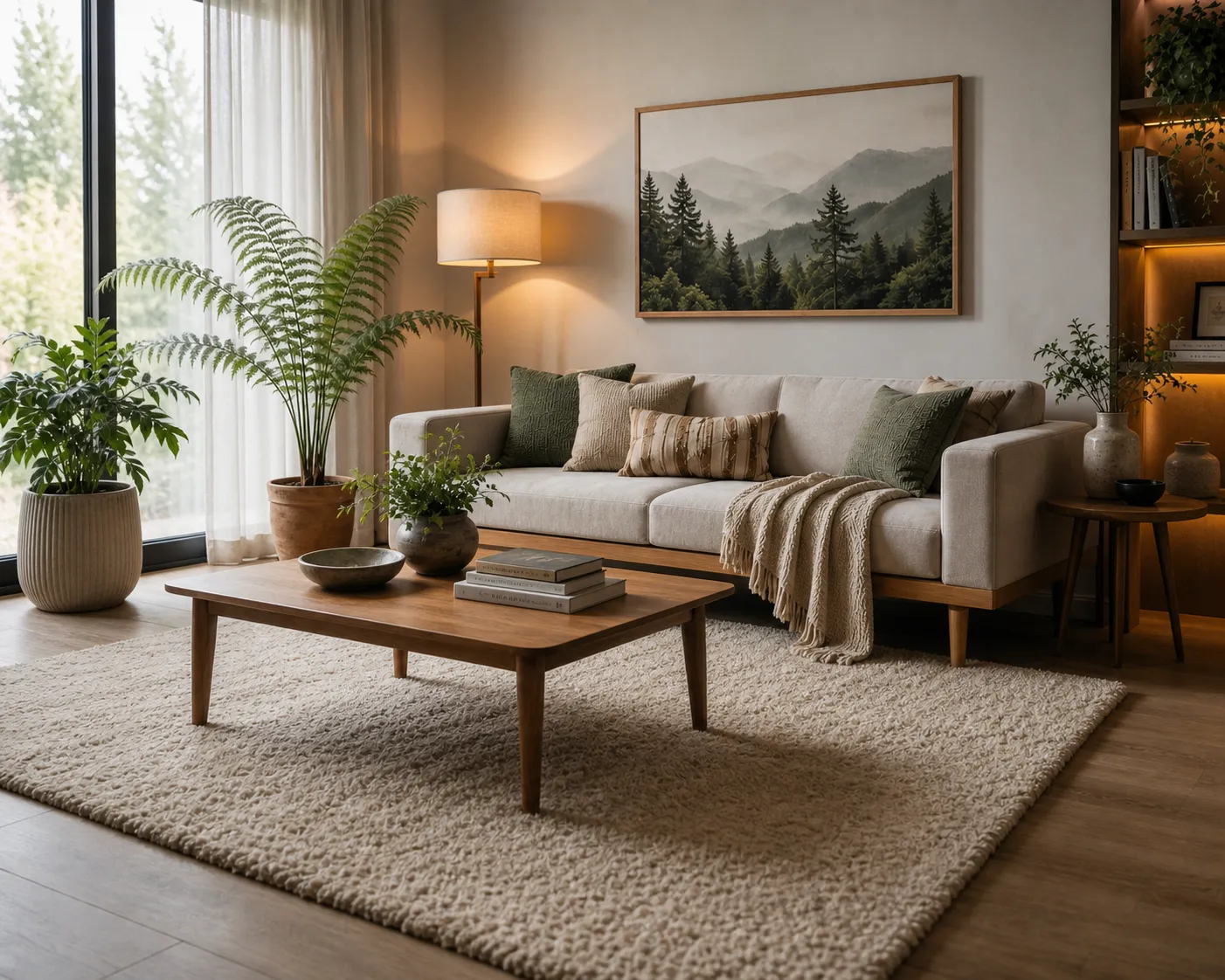
What is cognitive load in interior design? Cognitive load refers to the total amount of mental effort required for the brain to process its environment at any given moment. In the context of interior design, high cognitive load means a space contains too many competing visual elements — colors, patterns, objects, textures, focal points — forcing the brain to work harder than it should. The result is a room that feels tiring or unsettling, regardless of how thoughtfully it was assembled. Low cognitive load feels effortless. The eye knows where to land. The brain can relax.
See how Soma Atelier designs for cognitive ease and visual clarity
"When a space is easy to process, it feels calming. When it is difficult to process, it creates cognitive load — and that affects everything from stress to focus to mood."
What Is Cognitive Load and Why Does It Matter for Interior Design?
Cognitive load theory was developed by educational psychologist John Sweller in the 1980s to explain how the brain manages mental effort during learning. The core finding — that the brain has a finite capacity for processing information at one time — has since been applied extensively to environmental design, UX, and architecture.
Every day your brain is making thousands of micro-decisions: what deserves attention, what is important, what can be ignored. When a room contains too many competing visual elements, your brain must work harder to interpret what it sees. That extra work creates fatigue — not because the room is physically demanding, but because it is mentally demanding. The nervous system stays engaged when it should be at ease.
Why Does the Brain Prefer Simple, Coherent Spaces?
Your brain evolved in natural environments — forests, fields, mountains, rivers. Nature provides complexity without chaos: organized, recurring patterns that the visual system processes efficiently. This may explain why people consistently feel calmer outdoors than in highly stimulating built spaces. Nature feels effortless to process. Many modern interiors do not.
This is not an argument for minimalism. It is an argument for coherence. A room can have warmth, richness, and personality and still have low cognitive load — if its elements work together rather than competing for attention.
How Does Visual Clutter Affect the Brain?
Visual clutter isn't just physical clutter — it's anything that competes for attention. Too many colors, patterns, decorative elements, focal points, and competing information. The nervous system remains engaged because it never fully knows where to focus. The result is subtle but important: mental fatigue, reduced concentration, and a persistent feeling of low-level overwhelm.
Research on directed attention fatigue — the cognitive exhaustion that comes from sustained mental effort — shows that environments which demand continuous visual processing are genuinely tiring. The home should offer relief from directed attention, not more of it.
What Makes Some Rooms Feel More Restful Than Others?
Think about the most relaxing hotel room you've ever experienced — a beautiful wellness retreat, a spa changing room, a thoughtfully designed lounge. What do they almost always have in common? Not more. Less. Fewer colors, fewer distractions, fewer competing elements, more breathing room. Calm is often created by what is removed, not what is added. This is counterintuitive in a culture that equates abundance with quality — but the nervous system doesn't work that way.
What Is Negative Space and Why Does It Matter in Home Design?
In design, negative space refers to the unoccupied areas surrounding objects and furniture. Many people view empty space as wasted space — evidence of an incomplete room. The brain sees it differently: as visual relief. Negative space helps the visual system organize information, allows important elements to stand out, and provides moments of genuine rest for the eye. A room packed with furniture and visual activity rarely feels as calming as a room with intentional openness — because the brain never gets to stop working.
Three Principles for Cognitive Ease in Any Room
- Give the eye a rest: Every room needs visual anchor points — clear moments where the eye can land without competition from other elements. Designate one primary focal point per area and let everything else support it rather than compete.
- Use pattern as accent, not backdrop: High-contrast repetitive patterns significantly increase visual stress when they dominate a room. Use them as accents — a cushion, a throw, a single wall treatment — not as the primary visual field.
- Aim for coherence, not minimalism: The goal isn't empty rooms — it's intentional ones. Every element should have a clear reason to be there. Coherence at any level of richness produces low cognitive load. Incoherence at any level produces stress.
"Great design isn't about impressing people. It's about supporting them."
Frequently asked questions
What is cognitive load in interior design?
Cognitive load in interior design refers to the mental effort the brain expends processing its visual environment. When a space contains too many competing elements — patterns, colors, objects, focal points — the brain must work harder to interpret what it sees. This sustained effort creates mental fatigue, mild stress, and a persistent sense of unease. Designing to reduce cognitive load means creating spaces that are visually coherent, easy for the eye to navigate, and generous in negative space.
Why do cluttered rooms cause stress?
Cluttered rooms cause stress because they impose continuous cognitive demands on the brain. Every object, pattern, and competing visual element requires processing — the brain must assess it for relevance, threat, or meaning. Over time, this sustained low-level effort creates what researchers call directed attention fatigue. The space never lets the nervous system fully relax because the visual environment never stops asking the brain to work.
What makes a room feel calming to the brain?
A calming room typically shares several qualities: a clear visual focal point, limited competing patterns, sufficient negative space, a coherent color palette, and a sense of visual order. These qualities reduce cognitive load — the effort required to process the environment — allowing the brain to shift from active scanning to genuine rest. Natural elements including plants, natural light, and organic materials add further calm by providing the effortless visual complexity the brain processes easily.
How can I reduce visual clutter and make my home feel calmer?
Start by identifying the primary purpose of each room and removing anything that doesn't serve that purpose. Introduce storage that conceals rather than displays. Reduce the number of competing focal points per area to one. Simplify the color palette to 2-3 complementary tones. Add negative space deliberately — resist the impulse to fill every surface. These changes don't require renovation; they require editorial thinking about what earns its place in a room.
What is negative space in interior design and why does it matter?
Negative space in interior design refers to the unoccupied areas of a room — the empty wall around a piece of art, the floor space between furniture, the uncluttered surface of a table. Far from being wasted space, negative space gives the visual system room to rest between objects, helps the brain organize what it sees, and makes the elements that are present feel more intentional and significant. Rooms with generous negative space consistently feel calmer because the brain doesn't have to work as hard to process them.