Is Your Home Quietly Stressing You Out?

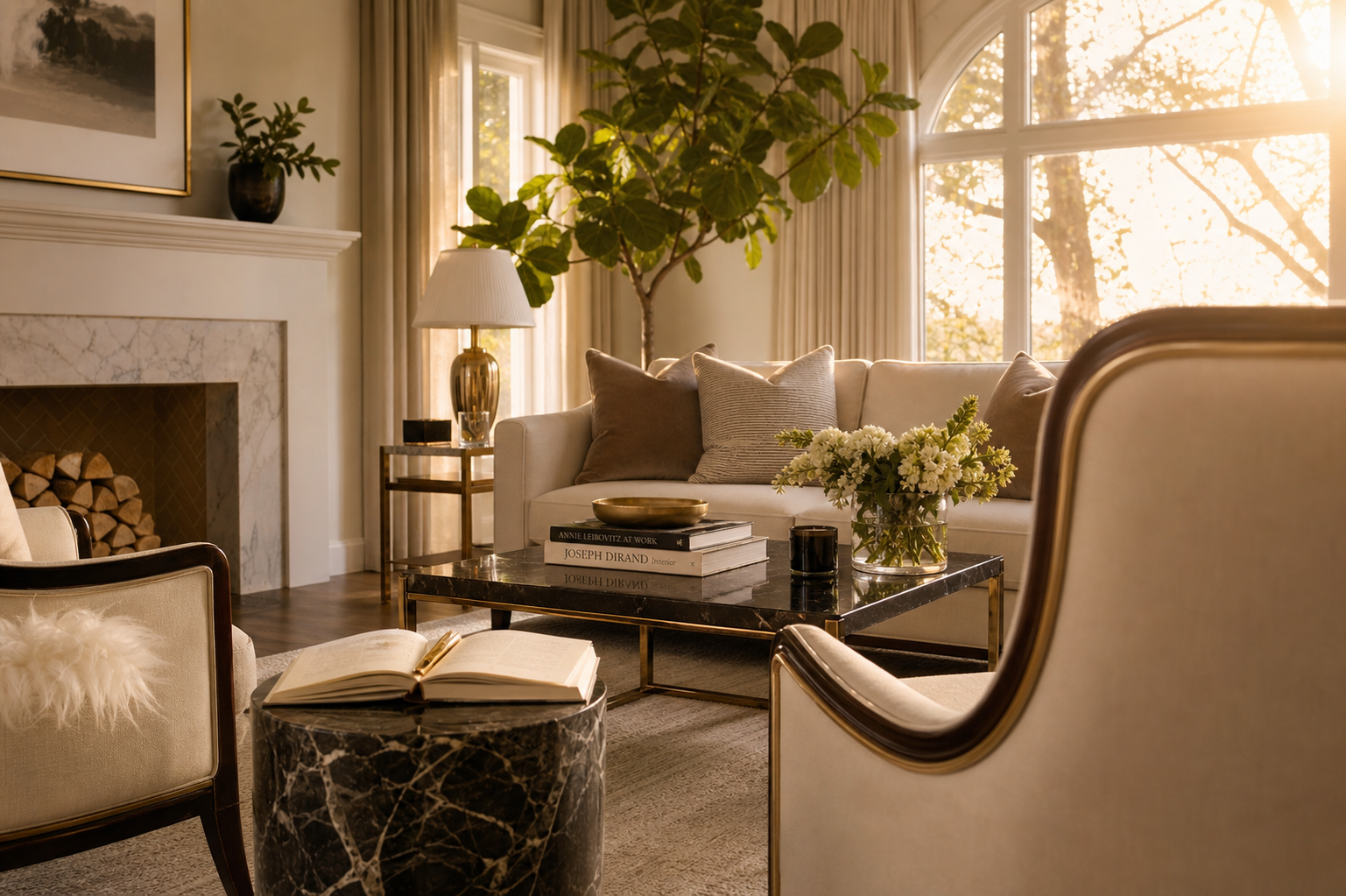
Most people look for stress in the obvious places — work, money, relationships. But a growing field of research called neuroarchitecture suggests the room you're sitting in right now may be part of the picture. And that intentional home design is one of the most underestimated tools for everyday wellbeing.
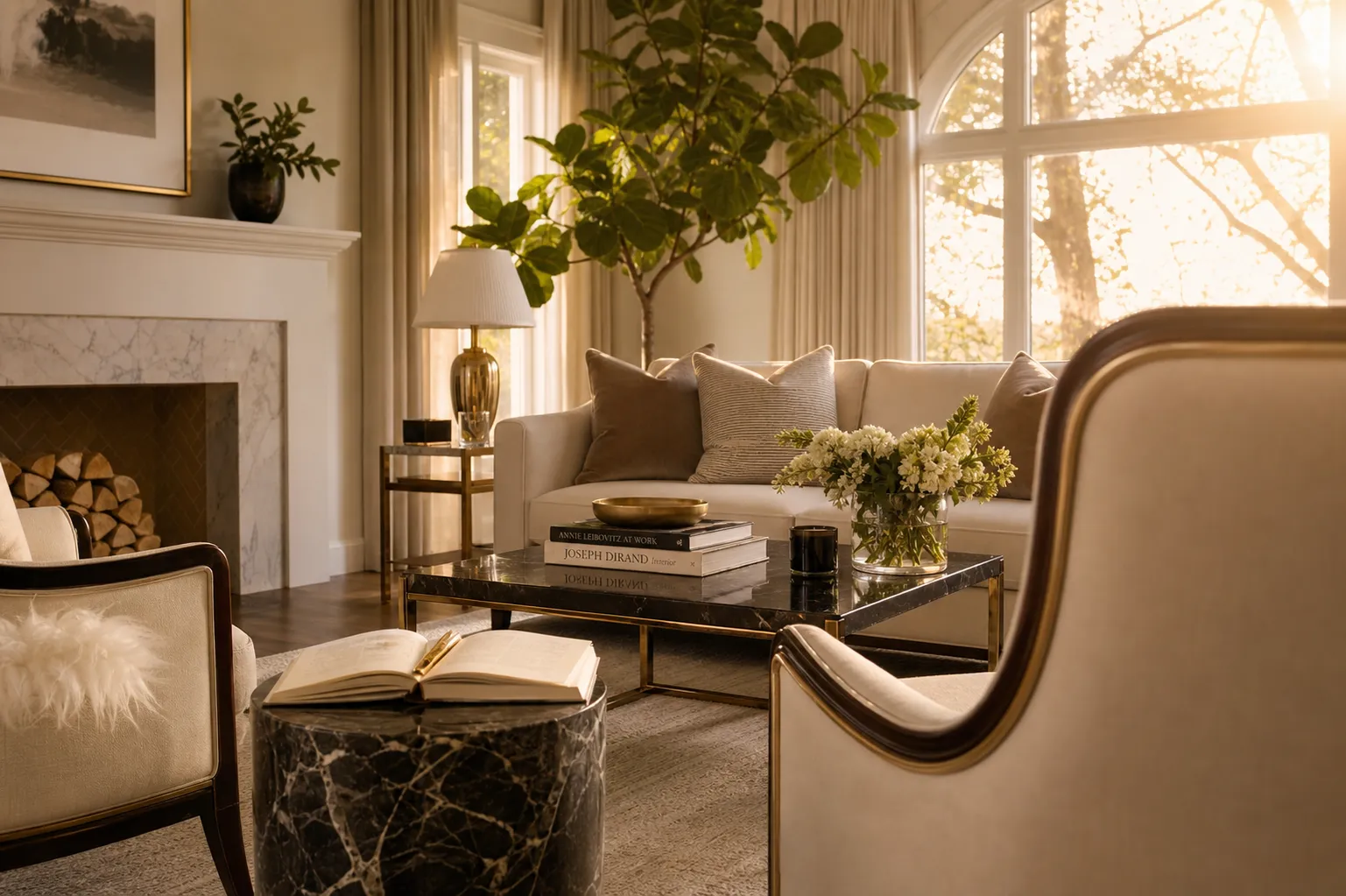
What is neuroarchitecture? Neuroarchitecture is the study of how the built environment affects the human brain, nervous system, and overall wellbeing. It sits at the intersection of neuroscience, environmental psychology, and design — and its findings are quietly reframing what it means to live in a healthy home.
See how Soma Atelier applies neuroarchitecture principles to residential design
The spaces we live in are not neutral. Your home, office, bedroom, kitchen — even the quality of light above your head — are constantly sending signals to your brain. Some signals help your body feel safe, calm, and focused. Others may quietly increase tension, overwhelm, and fatigue.
"Your home is either helping your body recover from stress — or quietly adding to the stress you already carry."
How Does the Built Environment Affect Stress?
Before you consciously decide whether a space feels good, your brain is already working — scanning for light, space, shape, pattern, noise, openness, and order. This is not decorative. It is biological. Your brain is designed to protect you. When an environment feels confusing, harsh, crowded, dark, or overstimulating, your body may respond as if it needs to stay alert.
In a landmark 1984 study published in Science, researcher Roger Ulrich found that hospital patients with window views of trees recovered measurably faster than those looking at a brick wall — requiring fewer pain medications and shorter hospital stays. If a window view can affect physiological recovery in a medical setting, the cumulative daily effect of your home environment deserves the same attention.
That doesn't mean your home is dangerous. It means your nervous system may be working harder than it needs to.
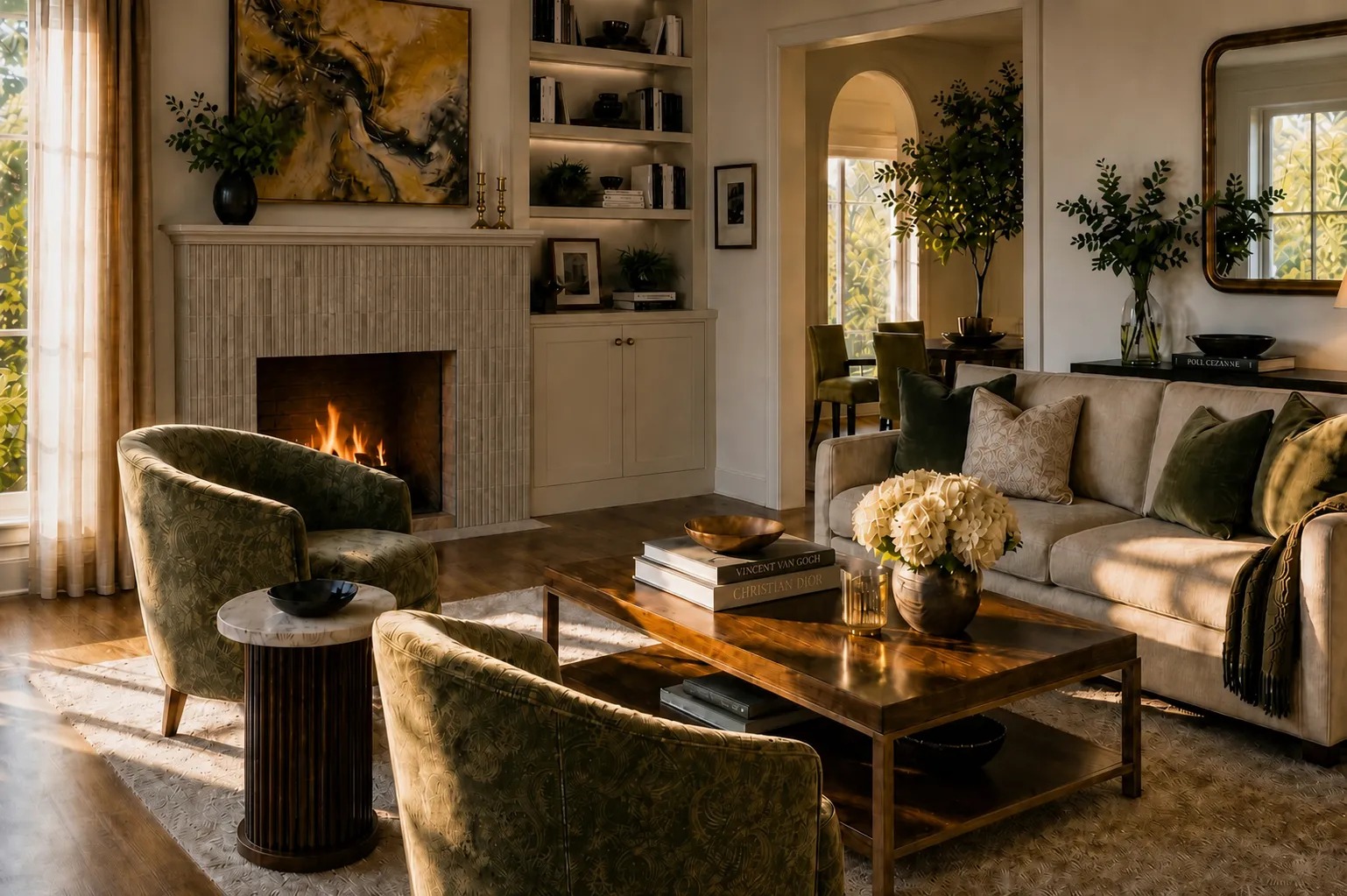
Why Small Stressors Add Up Over Time
One harsh light may not matter. One cluttered room may not matter. One dark hallway may not matter. But repeated exposure to stressful environments creates what neuroscientist Bruce McEwen called allostatic load — the cumulative wear and tear that builds when the body's stress systems are activated over time. A room that feels slightly uncomfortable every day can quietly become part of your stress pattern — not dramatically, but persistently.
This is what makes home design a wellness conversation, not just an aesthetic one.
Which Design Features Affect Stress the Most?
Research consistently points to five environmental factors that shape how the brain and nervous system respond to a space:
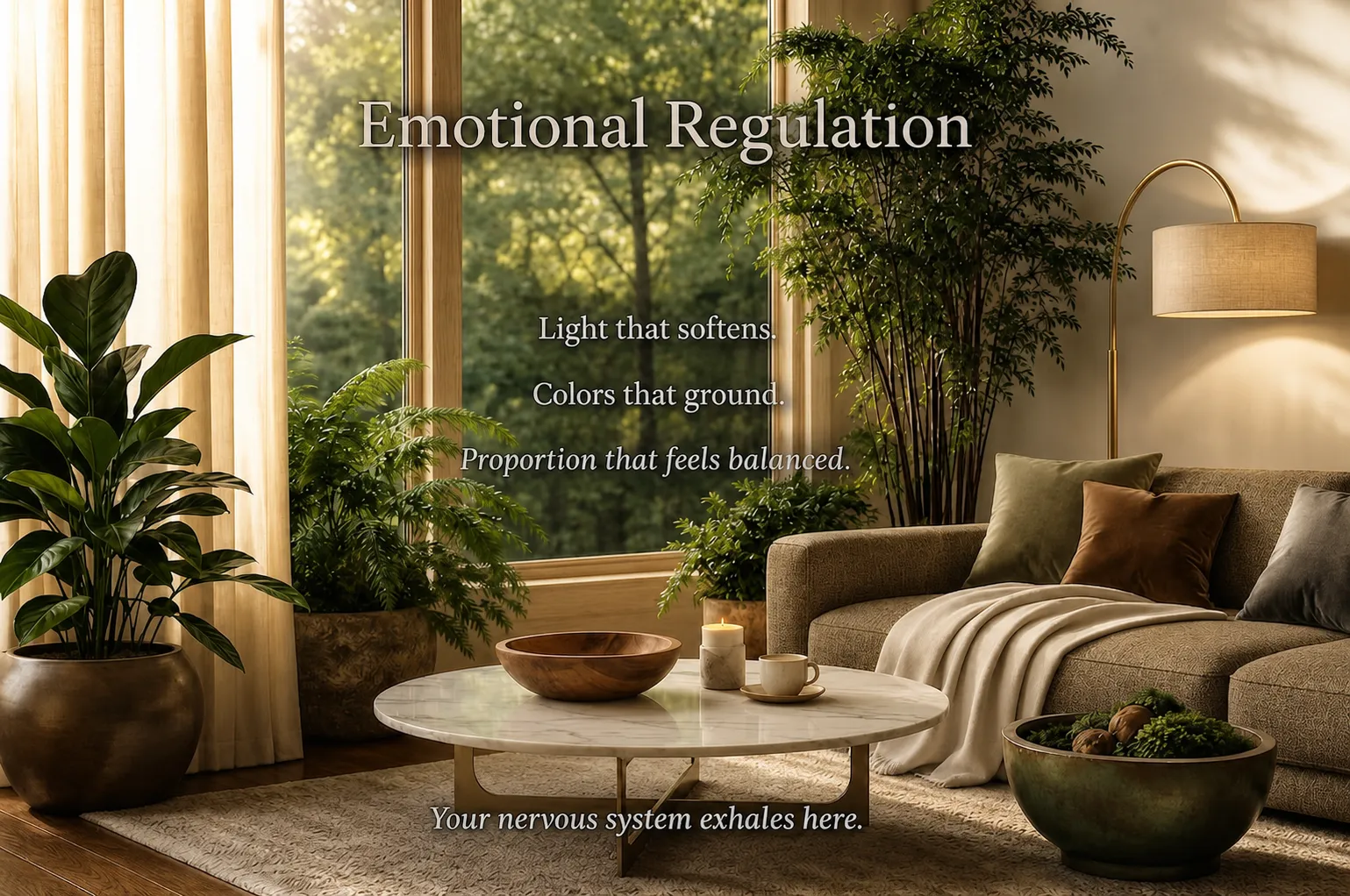
- Natural light: Daylight helps regulate sleep, energy, hormones, and mood through its effect on circadian rhythms — the biological clock that governs nearly every system in the body. Poor or artificial-only light makes the body work harder to stay balanced.
- Visual clutter: Too many competing patterns or objects increase cognitive load — the mental effort required to process a space. A visually busy room is a mentally tiring room, even when nothing in it is objectively stressful.
- Enclosure: Tight, closed-in spaces may increase stress responses, while rooms with visual openness and clear sightlines tend to feel calming to the nervous system.
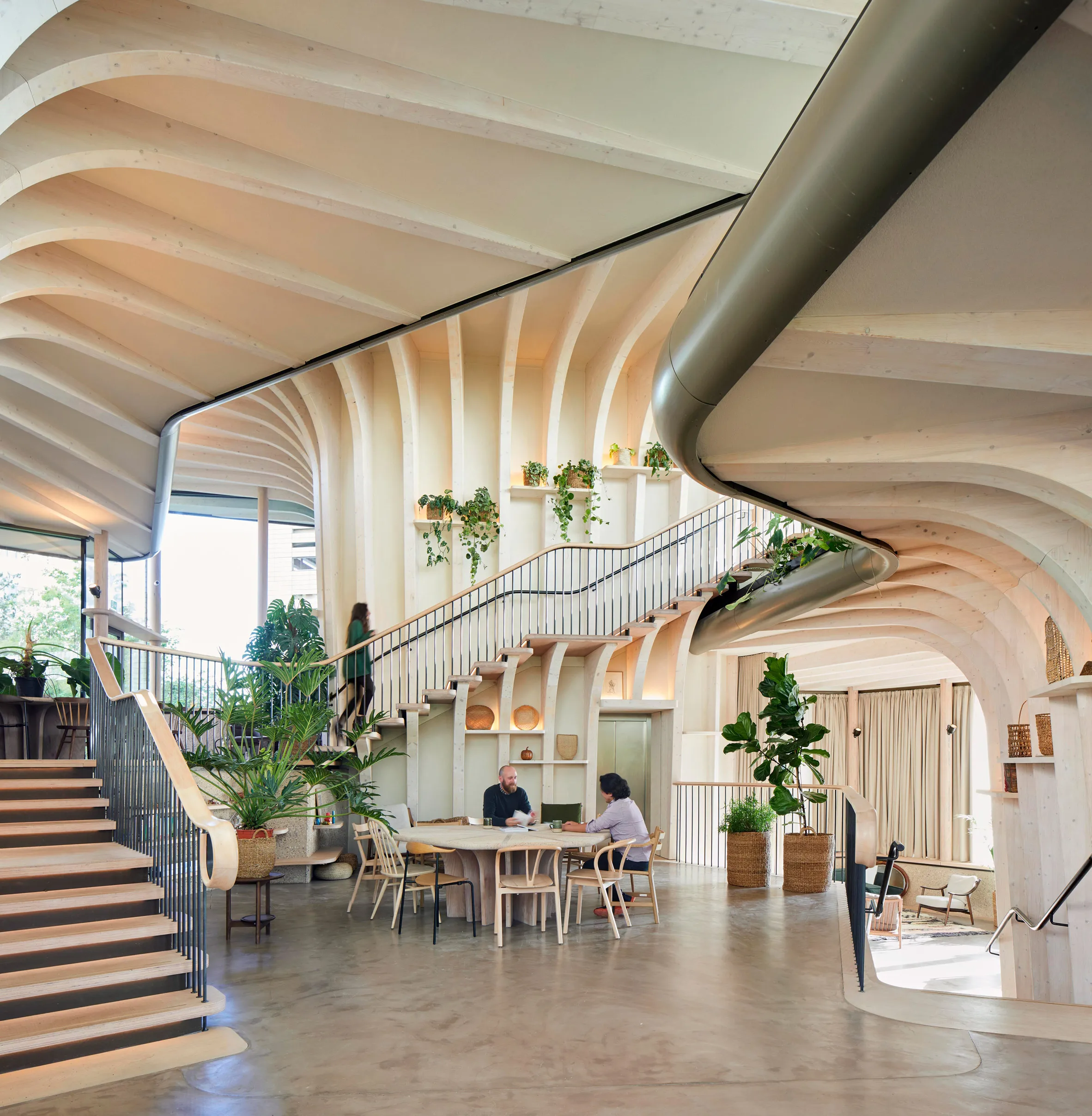
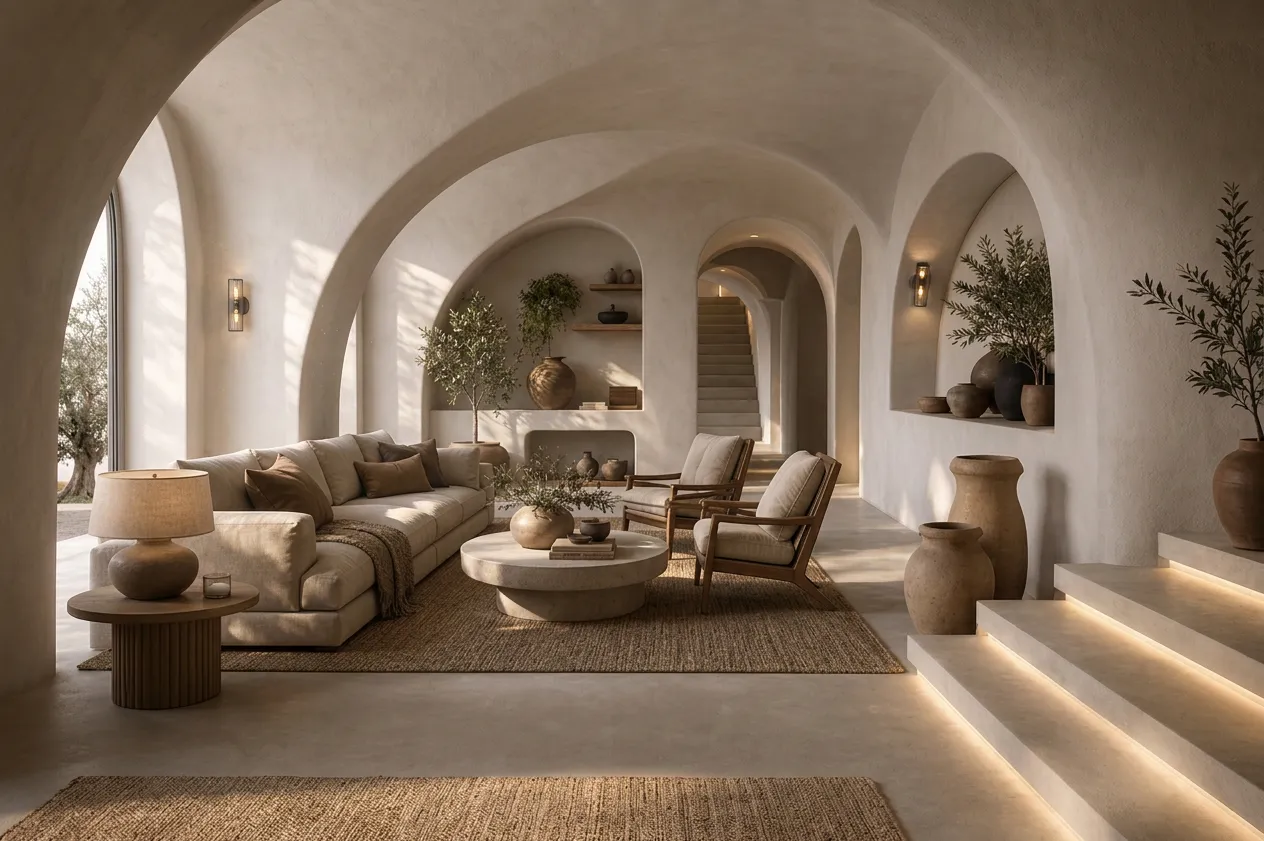
- Shape & form: Curved, soft architectural forms tend to register as safer and more welcoming than sharp, angular environments. The brain responds to visual softness — often below the level of conscious awareness.
- Nature connection: Natural materials, greenery, and organic textures activate what researchers call the restorative response — the physiological and psychological relief associated with natural environments.
What a Well-Designed Home Does for the Brain
A well-designed home does more than look beautiful. It helps you breathe more deeply. It helps you rest more fully. It helps you think more clearly. At a neurological level, it helps your body register: you are safe here.
That is the real promise of neuroarchitecture — not beautiful spaces or expensive finishes or trends, but homes that actively support the brain, calm the nervous system, and improve everyday wellbeing. Homes that do more than shelter. Homes that restore.
Design is not decoration. Design is care.
Explore Soma Atelier's approach to wellness-focused residential design
Frequently asked questions
What is neuroarchitecture and how does it apply to home design?
Neuroarchitecture is the study of how the built environment affects the human brain and nervous system. Applied to home design, it means making intentional choices about light, color, layout, materials, and form to support stress recovery, cognitive ease, and overall wellbeing — not designing for aesthetics alone.
Can home design actually reduce stress and anxiety?
Research consistently shows that environmental factors — including natural light, visual clutter, access to nature, and spatial openness — measurably affect cortisol levels, cognitive load, and nervous system activation. Design choices that reduce low-level environmental stressors can make a meaningful difference over time.
What is allostatic load and why does it matter for my home?
Allostatic load is the cumulative toll on the body from repeated stress exposure — including chronic low-level stressors like harsh lighting, visual clutter, and uncomfortable spaces. Neuroscientist Bruce McEwen identified this concept to explain how sustained minor stressors accumulate into measurable physiological wear. Reducing these stressors through thoughtful design is one of the core practical goals of neuroarchitecture.
What are the most calming design features for a home?
The five factors most supported by research are: natural light access, reduced visual clutter, soft and curved forms, biophilic elements (plants, natural materials, outdoor views), and spatial openness. Each signals safety and ease to the nervous system, reducing the cognitive effort your brain expends simply being in a room.
Does lighting affect mental health at home?
Significantly. Natural light regulates circadian rhythms, which govern sleep, mood, energy, and hormone production. Exposure to daylight — particularly in the morning — has been linked to better sleep quality, improved mood, and stronger cognitive performance. Artificial-only environments can disrupt these rhythms over time.